Have you ever walked into a blogging conference, looked around at all the people laughing and talking together, and wondered where on earth you were supposed to fit in? I have. I can talk about gardening, homesteading, writing, and all the things I've learned from years of blogging without running out of things to say. But put me in a room full of people I don't know, and suddenly introducing myself feels like the hardest part of the whole event. I'm an introvert, and making friends at blogging events has never been as easy for me as the smiling photographs might make it look.
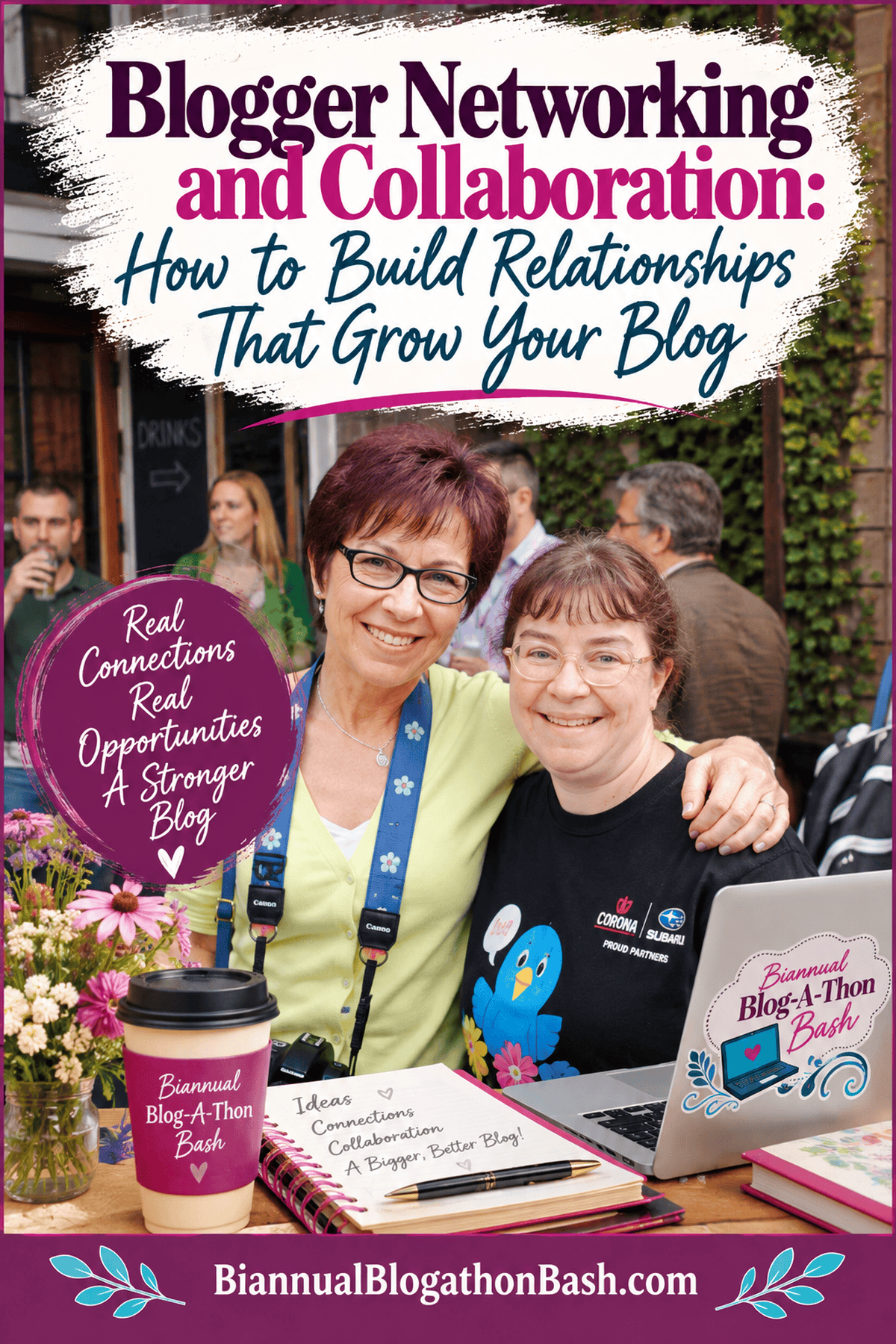
That's one reason I love looking back at the photographs I've taken over the years. There I am, smiling with another blogger, listening to a speaker, or standing among people who share some of my interests. You can see the connections, but you can't see the nervousness that sometimes came before them. You can't see the moment when I had to decide whether to walk over and say hello or keep to myself. Those moments matter, because friendship doesn't always begin with confidence. Sometimes it begins when you feel awkward and introduce yourself anyway. And sometimes the person you meet is just as nervous as you are.
Over time, I've learned that blogger networking and collaboration aren't about collecting business cards, impressing the biggest names in the room, or asking strangers to share your latest post. They're about getting to know people, finding common ground, and building relationships that can grow into genuine friendships and useful projects. Whether you're preparing for your first event, trying to make friends online, or wondering how to approach another blogger about working together, I want to share the practical side of it, including what to do when you're shy, how to follow up without feeling pushy, and how to make sure a collaboration is worthwhile for everyone involved.
Why Blogger Networking Matters Even When You Have a Small Audience
I've watched blogging change enough over the years to know that the platform everyone is excited about today may not be the one sending visitors next year. Search traffic fluctuates, social media changes its rules, and a post you spent days preparing can disappear from people's feeds almost as soon as you publish it. That is one reason I value relationships with other bloggers so much. When someone actually knows your work, they may think of you when a podcast needs a guest, an editor needs a knowledgeable source, or a reader asks a question outside their own area of expertise. Those introductions aren't guaranteed, of course, and they shouldn't be the reason you make friends. But having people who understand the work behind a blog, including the frustrating technical problems and the days when nothing seems to go as planned, makes this business feel much less lonely.
I especially want newer bloggers to understand that you do not have to wait until your traffic reaches some magical number before you have something worth contributing. Maybe you've spent years raising goats, growing difficult plants, baking bread, photographing wildlife, or solving problems that your readers are only beginning to encounter. That hands-on knowledge is valuable even if your blog is small. A fellow blogger might have a larger audience but need exactly the kind of experience you can provide. Instead of opening a conversation with an apology about your pageviews, think about the questions you can answer, the work you can reliably finish, and the perspective you bring that somebody else may not have.
Find Bloggers Who Complement Your Work
When you're deciding whom to approach, it is tempting to start with the biggest names you recognize. I would rather start with someone whose work I actually read and whose audience has a reason to care about what I teach. Think about how topics connect in real life. Someone learning to grow herbs may also want to know how to dry them, preserve their flavor, or use them in the kitchen. That creates a natural opportunity for a gardening writer and a food-preservation writer to teach together without repeating one another. The same principle works for a blogger who teaches writing and another who teaches photography, or a cookbook author and someone who specializes in pantry organization. The question isn't whether both of you cover precisely the same niche. It's whether combining your experiences will answer a reader's question more completely than either of you could alone.
Before I contact someone, I want to know more than what their homepage looks like. Read several of their articles, especially ones where they explain a process or recommend a product. Do they tell readers what worked and what didn't? Do they answer questions thoughtfully? Would you feel comfortable sending a friend to their website? These details matter because a collaboration links your reputation to someone else's, at least for that project. You can meet potential partners through comments, workshops, podcasts, niche groups, and professional organizations. LinkedIn can be useful too, especially when your goals include speaking, writing assignments, or brand relationships. If that's an area you want to explore, my LinkedIn guide for bloggers goes into building those professional connections.
Make a Real Connection Before You Ask for Something
One of the easiest ways to begin a relationship is also one of the most overlooked: pay attention to what another person is saying. If a blogger writes about a problem you've encountered yourself, leave a comment that adds something useful to the conversation. Tell them what happened when you tried a similar approach, or ask a sincere question about something they explained. If you share their article with your audience, explain what makes it helpful instead of simply dropping the link into a post. None of this requires a grand introduction, and none of it should be done with the expectation that the other person will immediately return the favor. You're giving them a chance to recognize your name and see how you interact with people.
There is a difference between being helpful and making someone feel as though you've arrived to inspect their work. If you happen to notice a broken link while reading an article, a quick, friendly message can be appreciated. A long email cataloging everything you think is wrong with their website probably won't feel nearly as welcoming, especially when you have never spoken before. Give people room to respond in their own time. Some bloggers are juggling families, other jobs, health concerns, or deadlines you know nothing about. A connection that grows slowly can still become a good one, and not every pleasant exchange has to turn into a collaboration.
Write a Collaboration Pitch That Respects Their Time
A useful pitch answers three questions: Why this person? Why this project? What will each of you contribute? Mention a specific article or idea that made you think of them, describe one realistic project, and explain how it helps both audiences.
For example, instead of asking someone to promote your blog, suggest a joint resource about planning a vegetable garden around what readers actually preserve. One writer could cover growing and harvesting, while the other handles safe storage methods. The project has a purpose beyond trading links.
Here's a simple message you can adapt: 'Hi [Name], I enjoyed your article about [specific topic], especially [specific detail]. I write about [your subject], and I think our readers might appreciate a joint resource on [idea]. I could contribute [your part], and your expertise in [their specialty] would make the piece much more useful. If you're interested, I'd be glad to discuss a manageable format and timeline. Either way, thank you for sharing your work.'
Keep the first email short. Don't promise huge traffic, demand a backlink, or send a detailed assignment before the other person agrees. For more examples of building connections naturally, see how to build relationships with influencers and industry peers.
Choose a Collaboration That Fits Your Audience and Schedule
Guest articles, interviews, podcast appearances, shared tutorials, resource roundups, webinars, book discussions, and collaborative videos can all work. A small project completed well is better than an ambitious project that neither person has time to finish.
Think about the reader first. What will someone learn, make, solve, or understand because both of you contributed? If you can't answer that clearly, the project may not be worth doing. Avoid creating thin guest posts or reciprocal link exchanges primarily to manipulate search rankings. Editorial links should make sense because they help the reader.
If a collaboration involves sponsored content, affiliate income, or creator work, discuss compensation and disclosures before you begin. You can also explore ways bloggers earn through user-generated content when considering paid creative work.
Agree on the Details Before Anyone Starts Working
This is where enthusiasm sometimes creates problems. One person imagines a blog post, another expects a video, and nobody has discussed who owns the photographs. Even when you're working with a friend, write down what you're making and who is responsible for each part.
Agree on deliverables, deadlines, editing and approval, publication locations, image permissions, bylines, and whether the material can be republished. Decide how each person will promote the finished project. 'We'll both share it' is vague; one email, one Facebook post, and one newsletter mention are specific commitments.
If money, products, commissions, or sponsorships are involved, put the arrangement in writing. Clarify what happens if someone needs to withdraw or the deadline moves. A short email may be enough for a small editorial project, while larger paid collaborations may need a formal contract.
Protect Your Readers' Trust
Don't recommend a product or service simply because your collaborator wants a sale. Check whether it actually serves your readers and whether you can describe it accurately. Trust takes a long time to build and can be damaged quickly.
Disclose material relationships such as payments, free products, and affiliate commissions clearly and close to the recommendation. Use appropriate sponsored link attributes when applicable. Never exchange subscriber lists or add someone to your emails without permission. Confirm image rights and credit arrangements before publishing photographs, screenshots, or other creative work.
Keep the Work Organized and Follow Through
Create a short outline with the reader's main question, each contributor's sections, and the final format. Use one shared communication channel so decisions don't get buried across email, Facebook messages, and texts. Set an internal deadline before the public launch date.
Before publishing, check the article on desktop and mobile. Test links and forms, verify credits, review factual claims, and make sure everyone approves the final version. If you're planning a live workshop, test the technology and decide what you'll do if a connection fails. After publication, follow through on every promotion or payment you promised.
Measure the Results Without Treating People Like Numbers
Decide what success means before you launch. It could be newsletter subscribers, workshop registrations, qualified referrals, reader questions, or a genuinely useful resource that continues helping people. Not every project has to generate immediate sales.
Review referral traffic, sign-ups, purchases, and reader feedback when those measures fit the project. Then talk with your collaborator about what worked, what took longer than expected, and what you'd change. A thoughtful follow-up can turn one successful project into a lasting professional relationship.
Common Blogger Networking Mistakes to Avoid
Generic mass pitches, repeated requests after someone has declined, and demands for free promotion rarely build goodwill. Neither does promising more work than you can deliver. It's perfectly reasonable to say an idea sounds interesting but your schedule won't allow you to do it justice.
Don't assume a larger audience entitles someone to unpaid labor from a smaller creator. And don't expect a smaller blogger to take on every production task just for exposure. Fairness matters. If you manage a community, my guide to creating and running a Facebook group for bloggers covers additional considerations for building useful conversations.
A Practical 30-Day Networking Plan
During the first week, identify five bloggers whose work complements yours. Read several pieces from each and write down one specific thing you appreciate. Find one or two communities where you can contribute without feeling obligated to be online all day.
In the second week, join conversations. Answer questions, leave meaningful comments, and share helpful resources. In the third week, reach out personally to one or two people with a sincere introduction or a small project idea if the connection feels natural.
During the fourth week, make a simple plan for any project that gets a positive response. If nobody is ready, keep building relationships rather than treating the month as a failure. Consistency and follow-through matter far more than how many messages you send.
Frequently Asked Questions About Blogger Collaboration
Do I need a large following? No. Useful expertise, reliable work, and a relevant audience can make a collaboration worthwhile at any size.
Is guest posting still worthwhile? Yes, when the content is original, genuinely useful to the host site's readers, and not primarily a scheme to manipulate rankings. Agree on ownership, editing, and links in advance.
Should bloggers pay one another? Sometimes. A mutual interview may involve no payment, while writing, photography, teaching, production, or sponsored work may deserve compensation. Discuss expectations before anyone starts.
What if someone doesn't respond? Respect their schedule. One polite follow-up may be reasonable, but don't keep messaging someone who hasn't shown interest.
Can bloggers in the same niche collaborate? Absolutely. Different experiences and perspectives can make a shared topic more useful, even when both people serve similar readers.
Blogger Networking When You're Introverted and Making Friends Is Hard
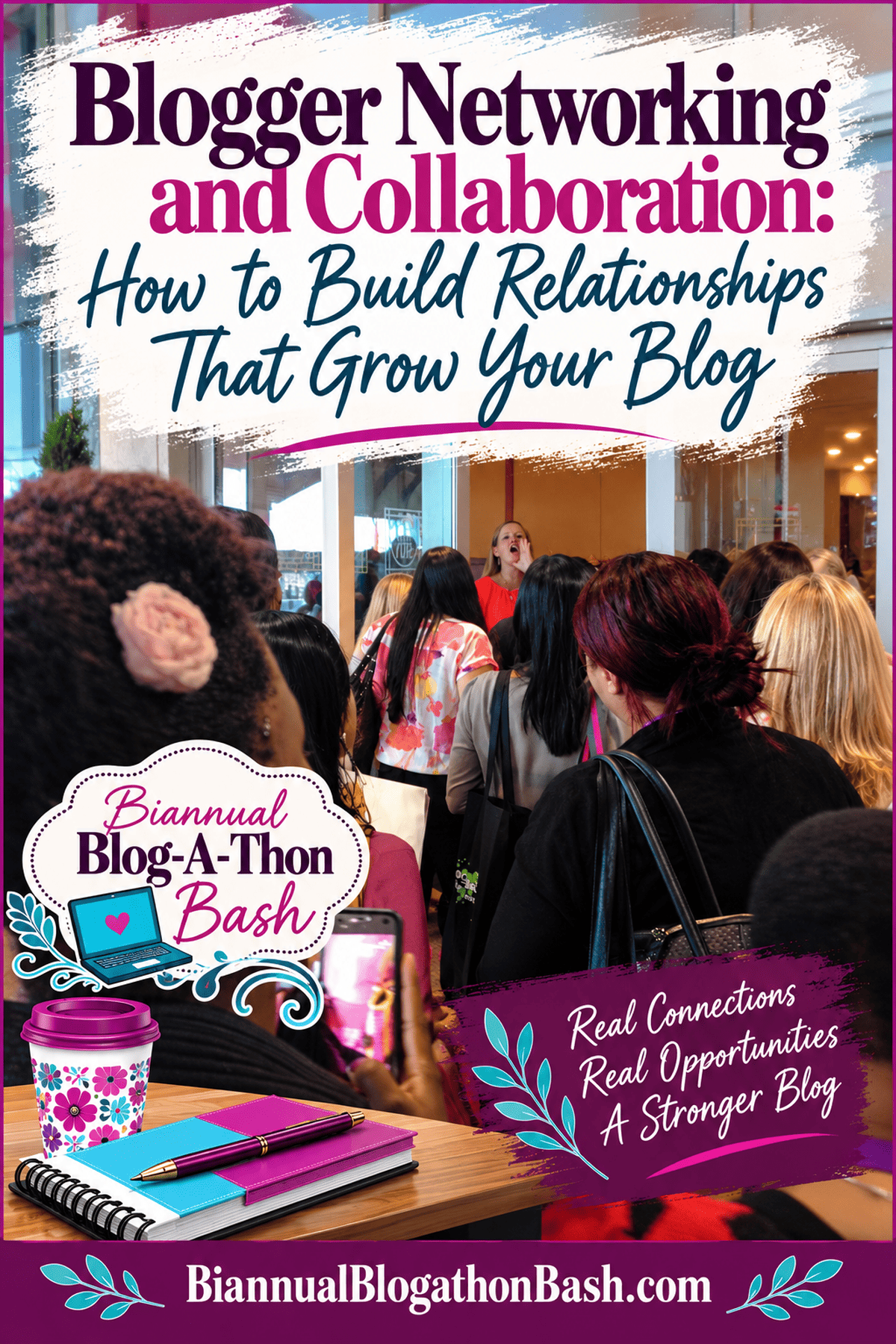
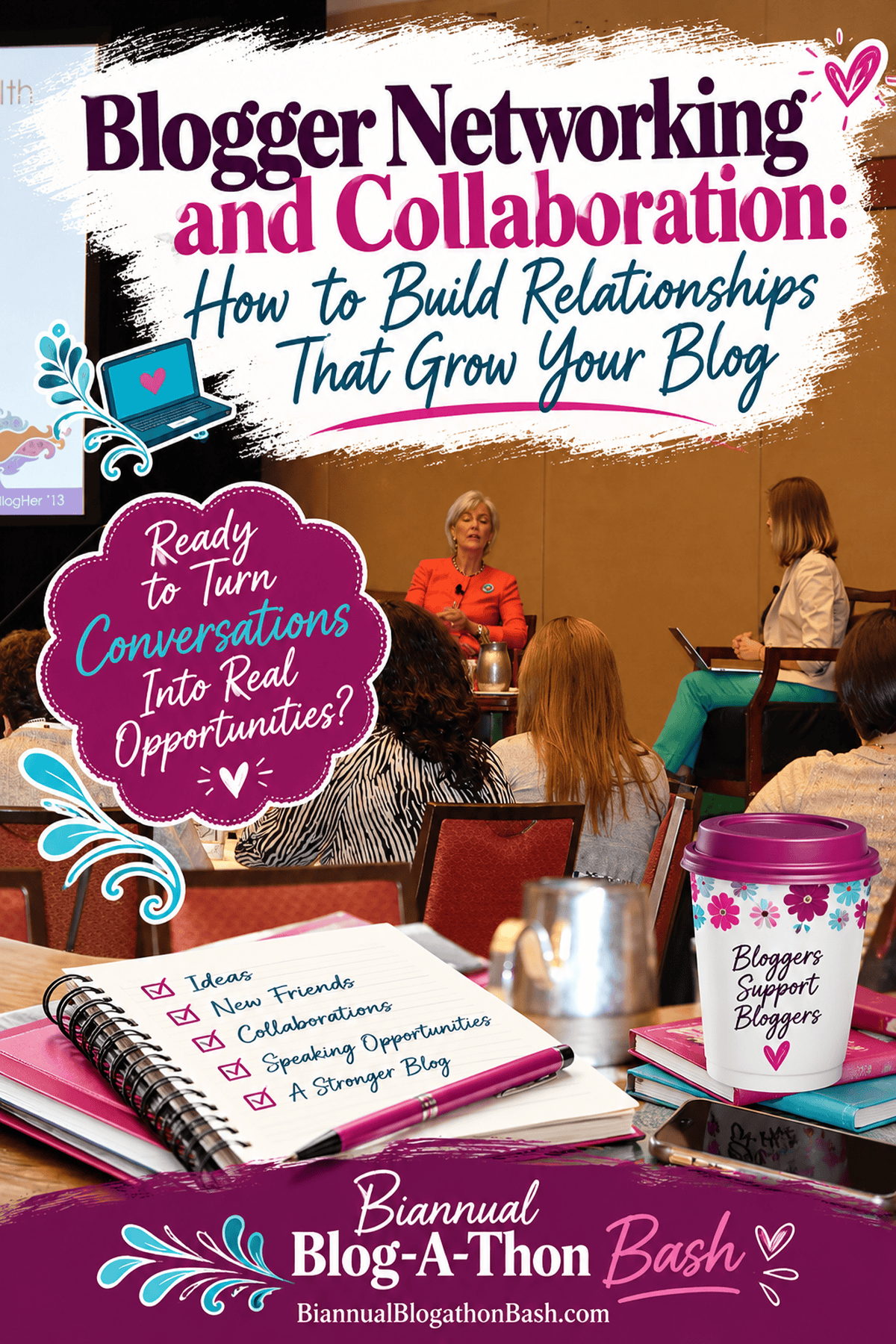
I can sit down at my computer and write about the things I know, but put me in a room full of bloggers at an event and making friends becomes a whole different challenge. I'm very introverted in those situations. What makes this especially interesting to me now is looking back at photographs from those events. There I am, smiling beside people I met, standing in the middle of a gathering, and sharing a moment with another blogger. The pictures show the connections, but they don't show how much courage it sometimes took me to walk into that room or start a conversation. I think that is worth remembering when we look at other people and assume friendship comes easily to them. A photograph captures a happy moment, not necessarily the nervousness that came before it. Walking up to people who already seem to know one another isn't easy for me, and sometimes the hardest part of an event is simply figuring out how to join a conversation without feeling like I'm interrupting. If that sounds familiar, you're not the only one.
I think we do introverted bloggers a disservice when networking advice begins and ends with 'put yourself out there.' What does that even look like when everyone is already talking in little groups? It helps to have something small and manageable in mind before you arrive. Rather than deciding you need to meet twenty people, aim for one genuine conversation. If that conversation happens while you're waiting for a session to begin, you have already accomplished something. Ask what brought the other person to the event and really listen to their answer. Maybe you discover that you both struggle with keeping up with social media, or that you write about subjects that overlap in surprising ways. Those ordinary exchanges can be the beginning of friendship because neither person is trying to impress the other. That's enough to make the day worthwhile.
If you're attending a workshop, ask the person beside you what session they're most looking forward to, whether they've been to the event before, or what kind of blog they write. Those questions give the other person room to talk, and they don't require you to deliver a rehearsed introduction. If a conversation feels comfortable, share a little about your own work. If it doesn't, a friendly 'It was nice talking with you' is a perfectly good ending.
Walking up to an established group can be harder. Look for a moment when the conversation naturally pauses, smile, and ask whether you can join them. You can also skip that entirely and talk with someone standing alone near the registration table, refreshments, or a session entrance. That person might be hoping someone will say hello, too. I've found that it's easy to assume everyone else knows exactly what they're doing at an event, especially when you see people laughing together. But appearances can be misleading. Someone may have met those people only minutes earlier, or may be just as uncertain as you are about how to fit in. If you approach kindly and the conversation doesn't take off, you haven't embarrassed yourself. You've simply learned that this particular moment wasn't the right one. Don't assume everybody else feels confident just because they look comfortable from across the room.
Give yourself permission to take a break. Step outside for fresh air, find a quiet corner, or spend a few minutes looking through your notes. You don't have to stay switched on every minute to be professional. I would rather step away for ten minutes and come back ready to enjoy another conversation than push myself until I'm too overwhelmed to remember what anyone said. A break also gives you a chance to write down someone's name, the subject you discussed, and anything you promised to send later. Those little details make it much easier to follow up thoughtfully instead of coming home with a collection of names you can't place. And if attending a big event isn't realistic for you, a thoughtful email, a small online group, or a one-on-one video conversation can build a relationship just as genuinely. Networking isn't a personality contest.
One thing that helps after an event is following up while the conversation is still fresh. You don't need a formal sales pitch. In fact, I think a message that sounds like you is much more memorable. Refer to something you actually discussed and, if you offered to share a resource, follow through. There's no need to ask the person to promote your work or collaborate immediately. A friendly follow-up is an invitation to continue getting acquainted, and that should be enough. A note that says, 'I enjoyed talking with you about seed starting at the workshop. I looked up the resource we mentioned and thought you might find it useful,' is enough. Mention something real you discussed, and don't attach a request for promotion. Friendship has room to grow when it isn't immediately asked to perform. Sometimes those conversations turn into interviews, guest articles, or other projects, but sometimes they simply become the people you enjoy hearing from. I don't think we should underestimate how much that matters when blogging can otherwise feel like a solitary occupation.
A Few Questions for Bloggers Who Find Networking Difficult
What if I arrive at a blogging event alone? Start with something easy and specific: check in, find your first session, and say hello to one person nearby. You don't have to enter a big conversation immediately. Give yourself a few minutes to settle in.
How do I introduce myself without sounding awkward? Keep it simple: your name, what you write about, and a question about the other person's work. You don't need a perfect elevator pitch. Curiosity is usually a better conversation starter than a memorized speech.
What if everybody already seems to know each other? Remember that you're seeing the room from the outside. Look for someone standing alone, sit beside a fellow attendee, or ask a small group if you may join. It's fine to move on if the moment doesn't feel welcoming.
Is it okay to leave early or take a break? Yes. Networking is not measured by how many uninterrupted hours you spend talking. Taking a quiet break can help you enjoy the conversations you do have.
Can I build blogger friendships without attending events? Absolutely. Thoughtful blog comments, email conversations, small online communities, interviews, and shared projects can all lead to genuine relationships. You do not have to travel or attend crowded events to belong.
What if I meet someone but don't know how to follow up? Send a short note mentioning something specific you talked about. Thank them for the conversation, share a promised resource if there was one, and leave the door open without asking for a favor.
The Best Collaborations Begin With Genuine Relationships
I have always believed there's room for more than one knowledgeable voice at the table. You don't have to attend every event, collect hundreds of contacts, or turn every conversation into a sales opportunity. Start by being curious about someone else's work and generous with what you know.
When a good idea grows out of that connection, give it enough structure to protect everyone's time and enough care to make the finished result useful. That's when blogger networking stops feeling like another marketing chore and starts becoming a community you can count on.





Leave a Reply